Solar Panels Still Work on Cloudy Days
A common misconception about Solar is that it only works when the sun is shining brightly. But, solar panels continue to produce electricity even on cloudy days. That’s because photovoltaic panels use both direct and indirect sunlight to generate power. These panels are designed to capture and convert sunlight allowing them to generate power all year long.
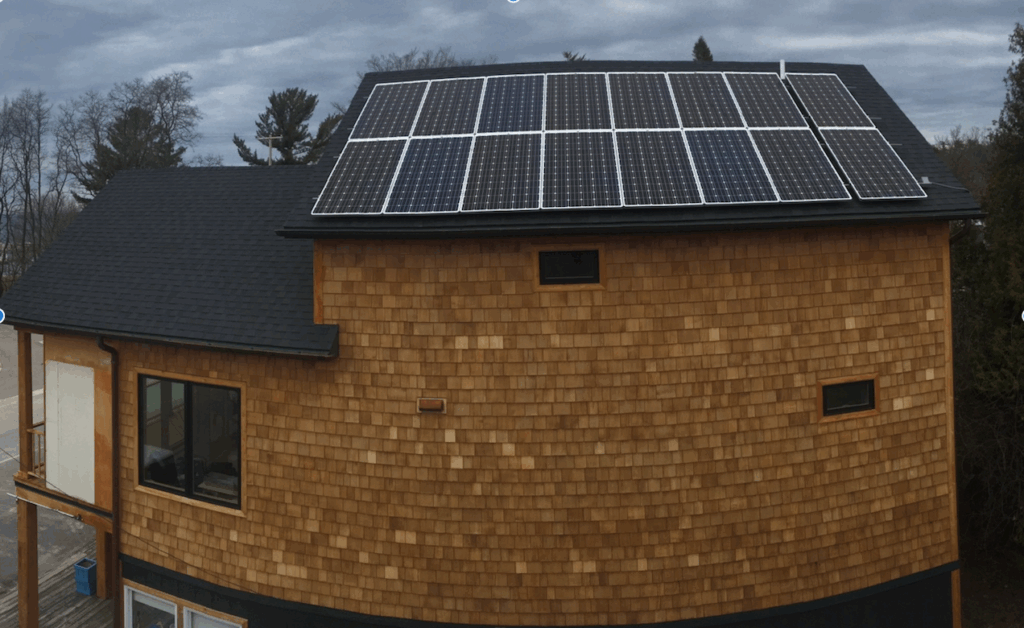
How Photovoltaic Panels Generate Electricity
Photovoltaic panels consist of photovoltaic cells that convert sunlight into electricity through a process called the photovoltaic effect. When sunlight hits the PV cell, it excites the electrons within the semiconductor material, which creates an electrical current. These cells respond to light, not heat. As long as daylight is present, solar panels will generate electricity.
Direct Vs. Indirect Sunlight
Solar panels perform best under direct sunlight, which occurs when the sun’s rays strike the panel without obstruction. However, PV panels are also capable of producing electricity from indirect, or diffused, sunlight scattered by clouds, haze, or the atmosphere.
On cloudy days:
- Sunlight is diffused rather than blocked entirely
- PV panels absorb light from multiple angles
- Electricity production continues typically at a reduced rate
Why Cloudy Weather Doesn’t Stop Solar Production
Clouds scatter sunlight across a wide area, allowing panels to capture usable energy even when the sun isn’t visible. Our solar panels are engineered with high-sensitivity cells that respond efficiently to lower light levels, making them effective in regions like Northern Michigan that have frequent cloud cover.
Solar Performance in Cooler, Cloudier Climates
Cold temperatures can actually improve solar panel efficiency. Though many electronic systems perform better in warm temperatures, solar is different. Excessive heat can reduce voltage output, which ultimately leads solar to perform better in colder climates. This means that cloudy and colder regions like Northern Michigan can still experience strong year-round solar performance.
The Big Picture: Annual Energy Production
While daily output varies with weather, solar systems are designed around annual energy production, not just peak sunny days. Over the course of a year, a well-designed system accounts for seasonal changes, cloud cover, and shorter winter days to consistently meet energy needs.
Pairing solar panels with Sol-Ark battery storage further ensures that energy generated during sunnier periods can be used when production is lower.